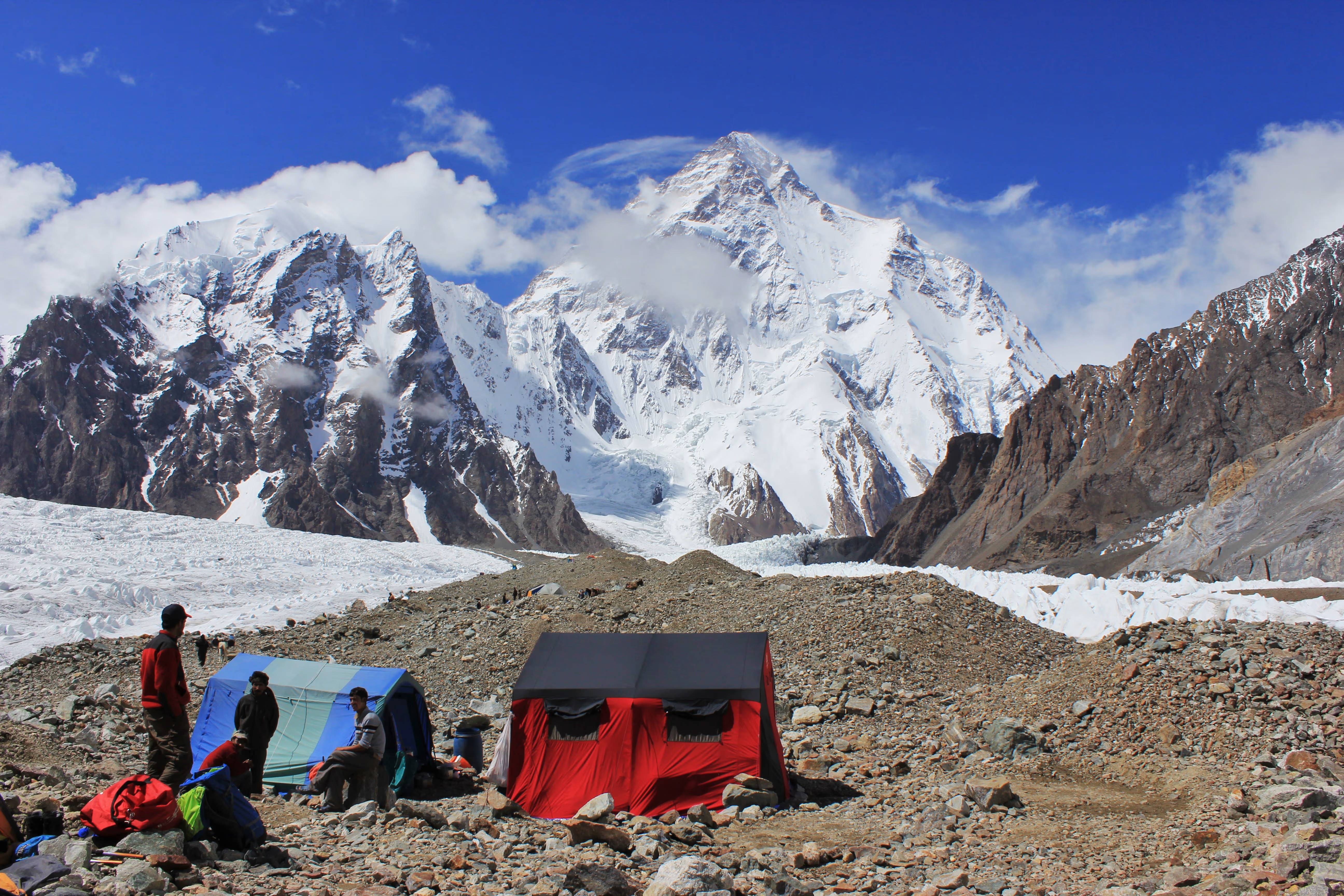
Trango Towers Climbing Guide: Routes, Gear, and Safety Tips
The Trango Towers, also known as the Great Trango Tower, are among the most dramatic and technically challenging rock climbing destinations in the world. Located in the Baltoro Glacier region of Gilgit-Baltistan, Pakistan, these granite spires rise sharply from the Karakoram Range, offering vertical walls exceeding 1,300 meters. This guide provides comprehensive information for climbers including technical routes, gear recommendations, acclimatization, weather considerations, and safety tips, curated from Hamid Hussain’s 30+ years of high-altitude adventure expertise.
1. About Trango Towers
Trango Towers is a collection of vertical granite spires, with the Great Trango Tower being the most iconic. The towers are globally recognized for big wall climbing, attracting elite climbers seeking both technical and high-altitude challenges. The towers’ dramatic spires, verticality, and sheer exposure make them a dream destination for advanced rock climbers with experience in alpine environments.
- Location: Karakoram Range, Baltoro Glacier, Gilgit-Baltistan
- Elevation of Great Trango Tower: 6,286 meters (20,608 ft)
- First Ascent: 1977 by a Norwegian team
- Prominence: Massive vertical granite walls up to 1,340 meters
2. Climbing Routes
The Trango Towers offer multiple climbing routes of varying difficulty, primarily focused on big wall and alpine climbing techniques. Other Towers, such as Nameless Tower, Trango Monk, and Trango II, offer shorter but equally challenging climbs.
3. Best Seasons for Climbing
Optimal Season for climbing is from **June to early September**.
Avoid: Winter months due to extreme cold, avalanches, and glacier instability.
4. Acclimatization & Safety
The Trango Towers’ base camps are typically situated at 4,500–5,000 meters, requiring proper high-altitude acclimatization.
5. Gear & Equipment
Climbing Trango Towers requires specialized big wall and alpine gear.
6. Travel and Logistics
The journey starts in Skardu, requires a drive to Askole, and then a multi-day trek along the Baltoro Glacier.
7. Accommodation & Base Camp
Accommodation involves guesthouses before the trek and professional alpine camping at the base camp.
8. Climbing Techniques
Successful ascent requires mastery of several advanced climbing techniques specific to alpine big walls.
9. Photography and Adventure Highlights
The Trango Towers area offers unparalleled dramatic scenery for photography.
Photography Tips
- Carry compact cameras and drone (with permits)
- Early morning light for the most dramatic photographs
- High-altitude weather can change rapidly; protect equipment from moisture
10. Cultural & Environmental Awareness
Trekkers and climbers must practice responsible tourism in the Baltoro Glacier region.
- Baltoro Glacier region is home to Balti communities with rich cultural heritage
- Respect local customs and sacred sites
- Practice leave-no-trace principles to protect fragile alpine ecosystems
11. Training & Physical Preparation
Thorough preparation is non-negotiable for a climb of this magnitude.
Physical Conditioning
Cardio, strength, and endurance training
Climbing Skills
Prior experience in rock climbing, multi-pitch, and aid climbing
High-Altitude Experience
Recommended before attempting 6,000+ meter big walls
Related Treks & Guides
About Hamid Hussain
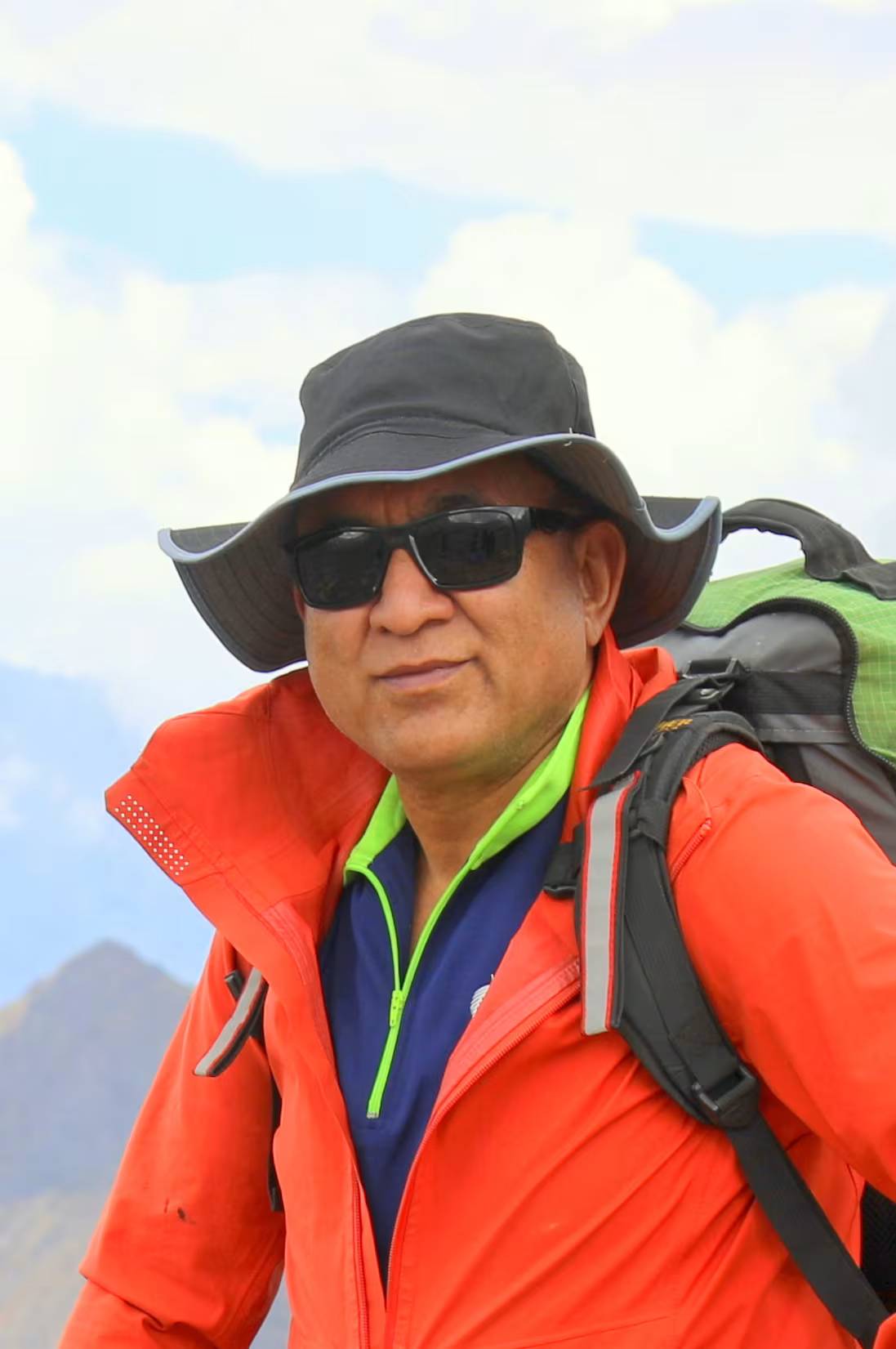
Hamid Hussain – CEO & Founder
Resident of Aliabad Satellite Town, Skardu – Baltistan Tourism Leader | Cultural Guide | Photography Consultant
With over 30 years of experience in adventure and cultural tourism, Hamid Hussain has guided climbers, media crews, and student groups across Northern Pakistan. Renowned for orchestrating safe, immersive, and sustainable expeditions, Hamid blends a passion for high-altitude adventure, photography, and storytelling.